
 July 20th, 2026
 Exito
ExitoWhat’s the Difference Between Sponsoring and Exhibiting?
The difference between sponsoring and exhibiting comes down to what you buy. Exhibiting buys physical space – a booth where your team demos, talks to attendees, and captures leads directly. Sponsoring buys visibility and association – your brand on signage, the website, sessions, and often a speaking slot, reaching everyone at the event, not just booth visitors. Exhibiting drives direct lead generation; sponsoring drives brand awareness and thought leadership. At most large B2B events, you can do both, and higher sponsorship tiers usually include booth space.
For any B2B marketing team building an event budget, the first question is whether to sponsor, exhibit, or both. Getting the difference between sponsoring and exhibiting right stops a five- or six-figure spend from buying the wrong kind of presence – a booth nobody notices, or a logo on a lanyard that never sparks a conversation. The two look similar on a rate card but solve different problems.
What does it mean to exhibit at an event?
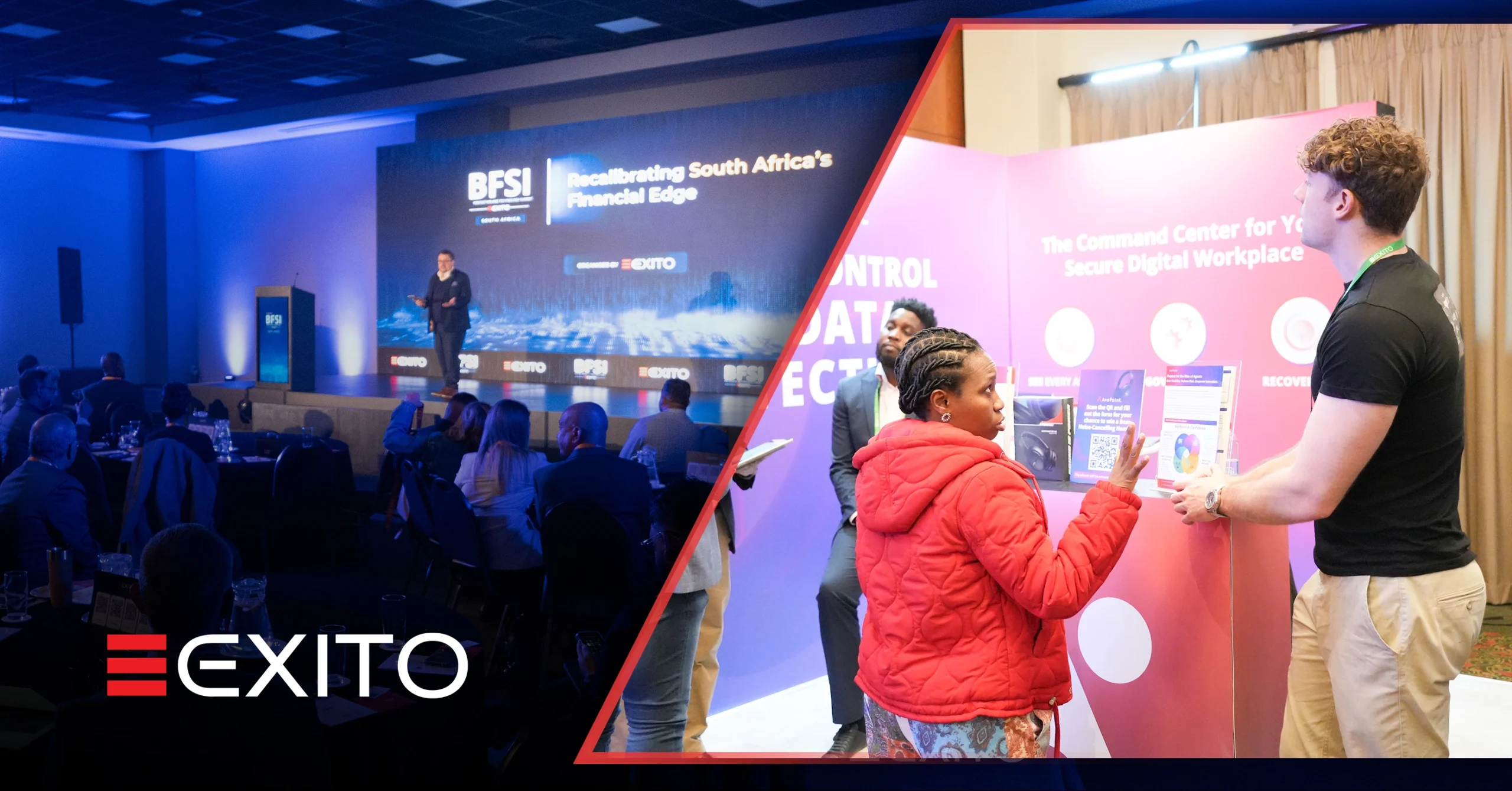
Exhibiting means renting physical space at a trade show, conference, or expo to showcase your products and services from a booth. You get a defined footprint on the show floor, you staff it with your own people, and you engage attendees face to face – demos, conversations, and live lead capture. In short, exhibitors are the reason the show floor exists.
The value of exhibiting is direct access. It is one of the few marketing channels that puts your sales team in the same room as buyers who are actively evaluating solutions in your category. Typical exhibitor goals are lead generation, product launches, booking meetings, and competitive intelligence, and success is measured in concrete pipeline terms: qualified leads, meetings booked, cost per lead, and opportunities created.
What you are responsible for as an exhibitor usually includes:
- Booth space and design – the stand itself, graphics, furniture, and any custom build.
- Staffing – the people who work the booth and qualify visitors.
- Lead capture – scanners, QR forms, or a CRM so nothing gets lost.
- Logistics – shipping, travel, and on-site set-up.
The trade-off is that exhibiting is only as good as its execution. A booth in a weak location, with unclear messaging or untrained staff, can become an expensive branding exercise with no trackable return.
What does it mean to sponsor an event?
Sponsoring means paying the event organiser for brand visibility and association across the whole event, rather than for a patch of floor. A sponsor provides financial backing in exchange for marketing value: prominent placement in event materials, logos on signage, the website, and promotional items, and – at higher tiers – speaking opportunities, hosted sessions, VIP access, and use of the attendee list. Crucially, a sponsor may or may not have a booth at all.
Sponsorships are almost always sold in tiers – a small number of premium packages (platinum, diamond, headline) and a larger number of lower-cost ones, with the most expensive tier carrying the most valuable benefits. Common sponsor benefits include:
- Event-wide brand exposure — logos on stage backdrops, banners, badges, lanyards, the event app, and email communications.
- Association and credibility — positioning your brand as a backer of the industry or community the event serves.
- Thought leadership — keynote or session slots, which are almost always reserved for sponsors, not plain exhibitors.
- Audience access — pre- and post-show marketing rights and, at senior tiers, the attendee list.
Because a sponsor’s visibility is not tied to a single spot on the floor, sponsorship is a more scalable form of exposure. It reaches attendees who never walk your aisle, and it can be layered across multiple events without the logistics of building a stand each time.
What is the difference between sponsoring and exhibiting?
The core difference between sponsoring and exhibiting is presence versus positioning. Exhibiting gives you a physical presence and direct, face-to-face contact with attendees at a booth. Sponsoring gives you positioning and reach – brand association spread across the entire event, whether you have a stand. Exhibitors buy space and interaction; sponsors buy visibility and access.
Here is the comparison at a glance, across eight dimensions:
What you buy
- Exhibiting: physical booth space on the show floor.
- Sponsoring: brand visibility and association across the event.
Primary goal
- Exhibiting: direct lead generation, demos, and meetings.
- Sponsoring: brand awareness, thought leadership, and positioning.
Attendee interaction
- Exhibiting: high, face-to-face at the booth.
- Sponsoring: lower and broader, through logos, sessions, and giveaways.
Speaking slots
- Exhibiting: rarely included.
- Sponsoring: commonly included at higher tiers.
Pricing model
- Exhibiting: priced by space (per square metre or foot).
- Sponsoring: tiered packages (for example, diamond, , platinum, gold or bronze).
Reach
- Exhibiting: concentrated on booth visitors.
- Sponsoring: event-wide, including non-booth attendees.
ROI measurement
- Exhibiting: leads, cost per lead, and pipeline.
- Sponsoring: impressions, brand lift, and session attendance.
Attendee data
- Exhibiting: leads you to capture yourself.
- Sponsoring: often the full list at senior tiers.
A useful way to remember the difference between sponsoring and exhibiting: exhibiting is where you do the work of meeting buyers; sponsoring is where the event does the work of amplifying your brand to everyone who attends. One is a sales activity, the other is a marketing-and-positioning activity, and strong event programmes usually treat them as complementary rather than either-or.
Which is better for lead generation, sponsoring or exhibiting?
For direct lead generation, exhibiting is usually the better fit. A booth gives your team real-time, face-to-face access to buyers who are on the floor specifically to evaluate technologies and compare vendors, which makes leads easier to capture and qualify on the spot. Exhibiting ROI is also more trackable – you can tie spend to scanned leads, meetings booked, cost per lead, and closed revenue.
Sponsorship generates leads differently and often more indirectly. Its ROI leans on brand-awareness proxies such as impressions and session attendance rather than badge scans. But at senior tiers, sponsorship can produce very high-quality pipeline: a speaking slot positions your experts as authorities, hosted sessions attract the exact buyers you want, and access to the attendee list fuels pre- and post-show outreach. In practice, the warmest leads at a B2B event often come from a combination – a speaking slot that builds authority plus a booth where interested attendees can follow up.
Should you sponsor or exhibit?
Start from your primary goal, then let the format follow. The decision is less about budget size and more about what outcome you are buying:
- Choose exhibiting if your main objective is pipeline: you want direct conversations, demos, and a measurable stream of leads from buyers on the floor.
- Choose sponsoring if your main objective is visibility and authority: you want event-wide brand exposure, a speaking platform, and association with the industry.
- Choose both if you want authority and pipeline – the most common structure at major B2B shows, where a sponsorship secures the stage and the branding while a booth captures the interest it generates.
Two practical checks sharpen the choice. First, does the attendee profile match your ideal customer? A large show with the wrong audience will disappoint whether you sponsor or exhibit. Second, is your follow-up system ready before the doors open? The best teams build a target-account list ahead of the event instead of relying on badge scans afterwards – a discipline that pays off in both formats, as this B2B trade show guide from Lensmor lays out.
Conclusion
The difference between sponsoring and exhibiting is not about which is better – it is about which matches your goal. Exhibiting earns direct conversations and measurable leads; sponsoring earns event-wide visibility and a platform for authority. Decide what outcome you are buying, confirm the audience fits your ideal customer, and remember that the two are complementary – the strongest B2B event plays often use both.
Leave a Reply